LANGUAGE

In wall finishing projects that use tiles, wall panel or granite, wall grout is a critical component that is often overlooked. Many people focus primarily on tile design and layout, while the material used to fill the gaps between tiles receives less attention. In reality, wall grout plays a major role in durability, hygiene, and the overall appearance of wall surfaces.

This article explains what wall grout is and highlights the most common types used in residential and commercial applications.

Definition of Wall Grout

Wall grout is a construction material used to fill the joints or gaps between wall tiles, granite panels, or other wall coverings. These joints are intentionally left during installation to accommodate expansion, prevent cracking, and ensure a neat and uniform finish.

Beyond its structural purpose, wall grout also contributes significantly to aesthetics. The color, texture, and type of grout selected can enhance the design, making walls appear cleaner, more refined, or more seamless.

Properly applied wall grout also helps protect walls from moisture infiltration, dirt accumulation, mold, and mildew—especially in wet or humid areas such as bathrooms, kitchens, and utility spaces.

Main Functions of Wall Grout

Wall grout serves several important functions, including:

  • Filling and sealing gaps between wall finishing materials
  • Preventing water penetration and moisture damage
  • Strengthening tile installation and improving adhesion
  • Enhancing the visual appearance of wall surfaces
  • Reducing the risk of cracking caused by temperature changes or structural movement

Choosing the right type of wall grout is essential to ensure long-term performance and durability.

Common Types of Wall Grout

Below are the most commonly used types of wall grout for wall installations:

1. Cement-Based Grout

Cement-based grout is the most widely used type of wall grout due to its affordability and ease of application. It is made from a mixture of cement, fine sand, and additives. This type of grout is suitable for dry indoor areas such as living rooms and bedrooms. However, because it is porous, cement-based grout can absorb water and stains unless sealed properly.

2. Epoxy Grout

Epoxy grout is a high-performance wall grout known for its excellent resistance to water, stains, chemicals, and bacteria. Made from epoxy resin and a hardener, it is non-porous and extremely durable. This makes epoxy grout ideal for bathrooms, kitchens, hospitals, and commercial spaces. Although more expensive and more difficult to apply, epoxy grout offers superior longevity and low maintenance.

3. Acrylic Grout

Acrylic grout is a flexible type of wall grout that is commonly used in areas where slight movement may occur, such as corners, edges, or wall-to-ceiling joints. Its flexibility helps prevent cracking over time. Acrylic grout is also available in various colors, making it suitable for decorative and finishing applications.

4. Premixed Grout

Premixed grout is a ready-to-use wall grout that offers convenience and consistent quality. It is ideal for small projects, renovations, or minor repairs. This type of grout is typically used for interior walls and should be selected based on the environmental conditions of the installation area.

Conclusion

Wall grout is more than just a filler between tiles—it is a vital element that affects the strength, cleanliness, and visual appeal of wall finishes. By understanding what wall grout is and recognizing the different types available, you can choose the most suitable solution for your project. The right wall grout ensures durable, attractive, and long-lasting wall installations.

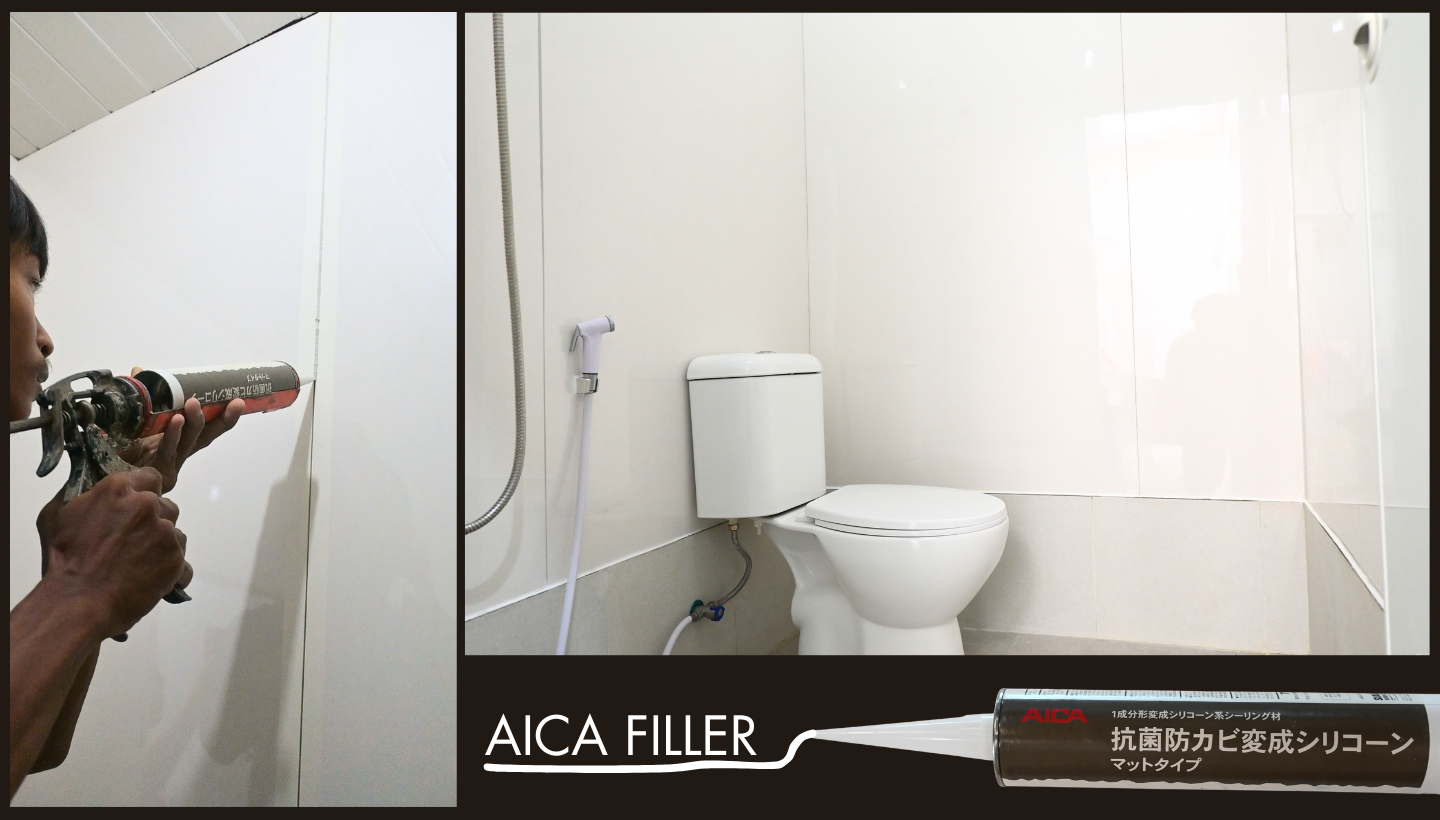
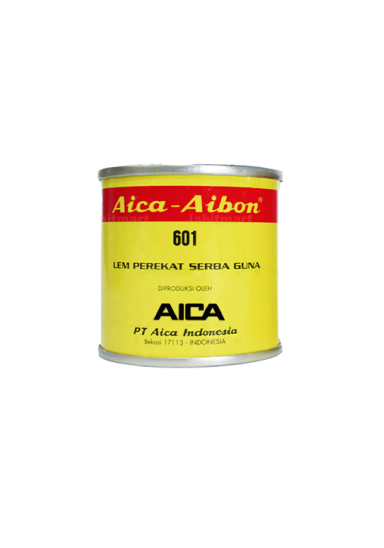
If you need recommendations for practical, waterproof, moisture-resistant, and elastic wall grouting materials, consider AICA Filler from AICA Indonesia. Click the WhatsApp button for more information about AICA Filler.

SHARE

YOU MIGHT ALSO LIKE