

Chinese New Year is one of the most important celebrations for Chinese communities around the world. More than just the start of a new year based on the lunar calendar, it is a meaningful moment that symbolizes new beginnings, good fortune, and the warmth of family togetherness.
In Indonesia, Chinese New Year holds a unique significance as it is celebrated amid a rich diversity of cultures and traditions. Since being recognized as a national holiday, the celebration has become increasingly open and inclusive—embraced not only by the Chinese community, but also by people from various backgrounds. The festive atmosphere can be felt across many cities, from homes adorned with red decorations and shopping centers filled with themed displays, to cultural performances enjoyed by the wider public.
However, beyond these familiar sights, each region carries its own distinctive traditions shaped by local beliefs and customs. In particular, indigenous Chinese communities in smaller cities continue to preserve meaningful practices that may feel less mainstream, yet deeply rooted in heritage. Here are some of those unique Chinese New Year traditions:

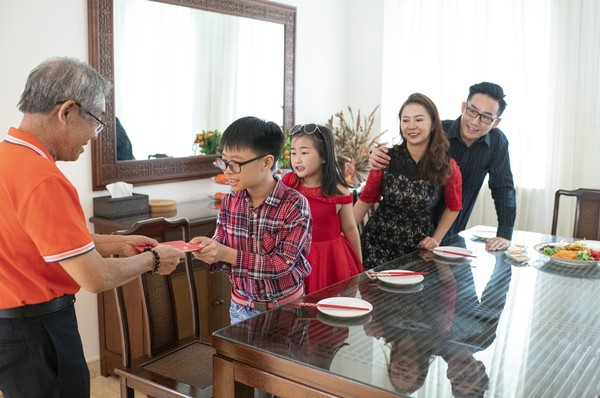
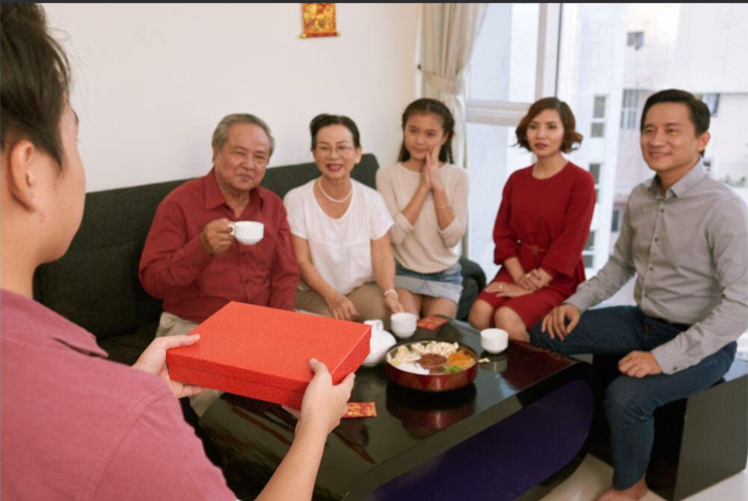
Beyond gathering with immediate family, Chinese communities in smaller towns often observe the tradition of visiting the homes of relatives, neighbors, and even distant family members in rotation. These visits serve as a gesture of respect, a way to maintain harmonious relationships, and a means of strengthening social bonds within the community. Warm conversations and simple home-cooked dishes usually accompany each visit, creating an atmosphere of familiarity and closeness.

In Chinese families, terms of address follow specific rules based on age and family hierarchy. Family members are called by distinct titles such as Ahkong, Ahma, Acek, or Ayi. These names are more than just forms of address—they represent respect, family structure, and a strong sense of identity that continues to be passed down through generations.

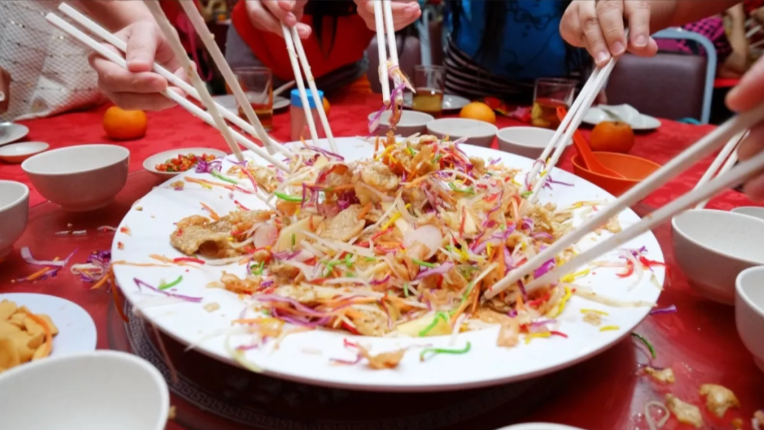
Yu Sheng is a symbolic tradition of enjoying a raw fish salad together, where family members stir and toss the ingredients as high as possible while expressing prayers and good wishes. This ritual represents prosperity, abundance, and success in the coming year. The higher the toss, the greater the hopes for good fortune ahead.
At its core, Chinese New Year traditions embody values of cleanliness, harmony, gratitude, and family togetherness. Even as times change, the essence of Chinese New Year remains a meaningful reminder to welcome the year with optimism, positive energy, and the warmth of loved ones. Happy Chinese New Year to all Aica Friends who celebrate!
SHARE