

In the world of interior design, the Classic style remains a timeless favorite for its elegance, refinement, and enduring appeal. Known for its ability to transcend trends, Classic interiors continue to be widely embraced across generations. However, what many may not realize is that the Classic style is expressed through several different approaches, two of the most popular being American Classic and European Classic.
Although both styles are rooted in classical European design principles, American Classic and European Classic each possess distinct characteristics, atmospheres, and applications. Understanding these differences can help you choose the style that best aligns with your lifestyle and the character of your space. In this article, we explore the key distinctions between American and European Classic interior design styles to help you determine the most suitable approach for your next project.

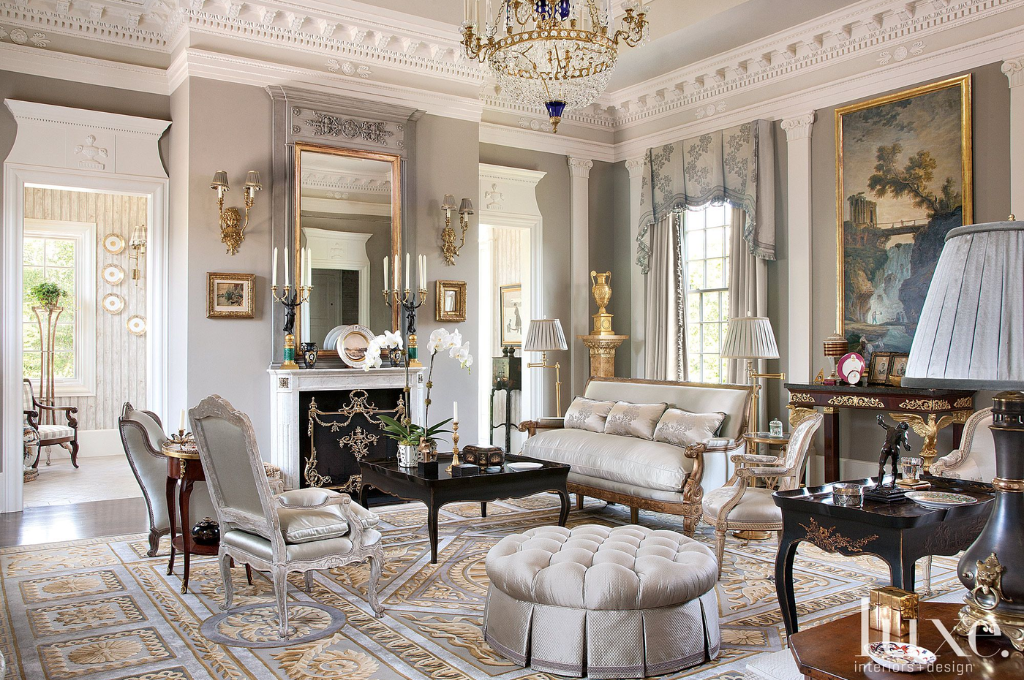
The European Classic style developed in the early 21st century, particularly in major European capitals. It represents a contemporary reinterpretation of classical design, thoughtfully balancing tradition with modern refinement.
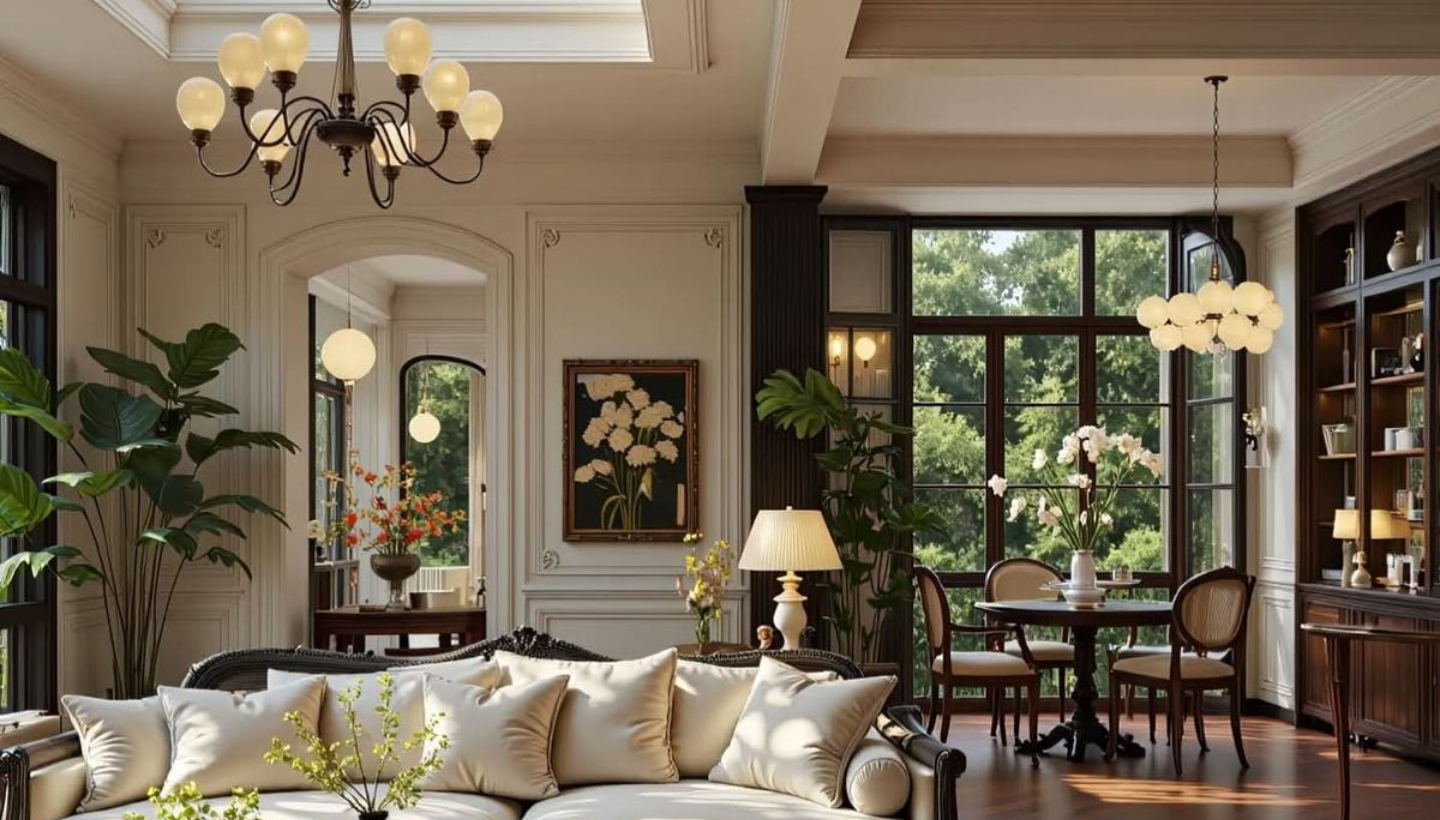
This style is defined by its rich ornamental details, grand spatial proportions, and symmetrical compositions. Classical wall panels, layered moldings, decorative columns, and high ceilings are signature elements that contribute to an elegant and prestigious ambiance. Every detail is carefully crafted to create an interior that feels luxurious, refined, and timeless.
In terms of materials, European Classic interiors are synonymous with visual richness and character. Marble-inspired surfaces, classic wood textures, and soft color palettes such as cream, ivory, and pastels are often complemented by gold or bronze accents. Furniture featuring intricate carvings and graceful silhouettes further enhances the artistic and aristocratic essence of the space.

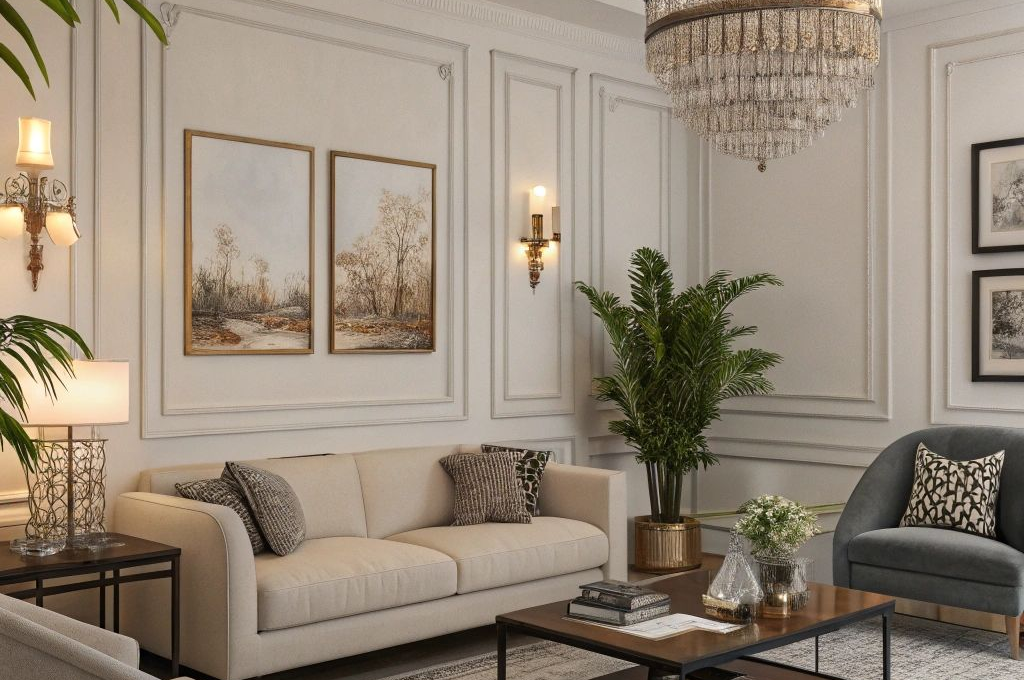
Slightly different from the European Classic, the American Classic style began to develop in the early 20th century. This approach combines elements of European classicism with the practicality and lifestyle of American society. The result is an interior that remains elegant while offering a warmer, more comfortable, and highly functional living environment.
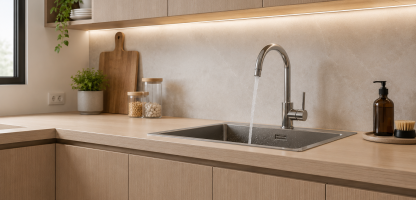
American Classic interiors feature classic details that are simpler and cleaner in appearance. Moldings and wall panels are still present, but designed with restraint and subtlety. Layouts tend to be more open and flexible, supporting everyday activities and family-oriented living without sacrificing aesthetic value.
The color palette is dominated by warm neutrals such as beige, soft blue, and sage green. Properly proportioned furniture with plush cushions plays a key role, emphasizing comfort while creating a welcoming and timeless atmosphere.
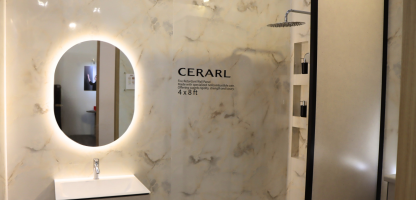
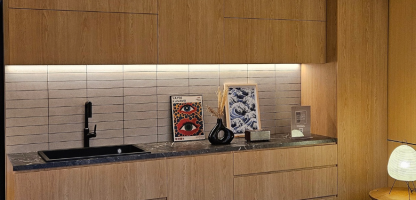
Fortunately, AICA offers more than 400 HPL pattern options, ranging from solid colors to stone motifs with a marble-like appearance, making it easy to support a wide variety of interior design concepts. Whether you are drawn to the refined elegance of European Classic or the warm comfort of American Classic, AICA HPL provides versatile, durable, and high-quality surface solutions for your space.
So, AICA friends, are you team American Classic or team European Classic? Whichever style you choose, be sure to select safe, reliable, and high-quality materials to ensure your interior is not only visually appealing but also functional for everyday living. Explore AICA’s full range of HPL products and patterns by visiting the AICA website and finding the perfect solution for your next interior project.
SHARE