

Choosing a stain-resistant tabletop is an important consideration when designing a kitchen, dining table, work desk, or commercial space such as a cafe or restaurant. Tabletops that are frequently used daily are susceptible to spills like coffee, sauces, oil, ink, and even cleaning fluids. If the material used easily absorbs liquids, stains will be difficult to clean and can detract from the table's aesthetics in the long run.
So, what material is suitable for creating a stain-resistant tabletop that is durable and easy to maintain?

Tabletops are the furniture pieces that are most frequently exposed to various activities, from preparing food to working on a laptop to family meals. Therefore, the tabletop surface must be resistant to various types of stains.
Materials that easily absorb liquids usually have pores that allow stains to penetrate the surface. As a result, stains can leave permanent marks and make the table look dull. Conversely, non-porous materials are easier to clean because liquids and dirt don't penetrate the surface.
In addition to being stain-resistant, ideally a tabletop should also be resistant to scratches, impacts, water, and heat for long-term use.

Solid surface is known for its relatively dense surface, making it quite easy to clean. This material is widely used in modern kitchens and commercial spaces due to its elegant appearance.
However, some types of solid surface require special maintenance to maintain their optimal appearance. Furthermore, installation and material costs tend to be higher than some other alternatives.
Natural stone such as granite and quartz is often chosen for its luxurious appearance and durability. These materials are quite stain-resistant with proper protection or sealing.
However, some types of natural stone still have natural pores that require regular maintenance to prevent them from absorbing liquids and leaving permanent stains.

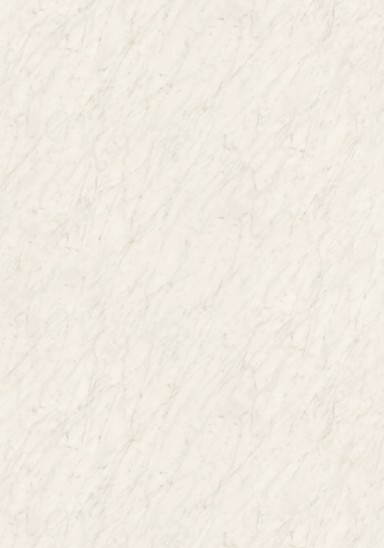
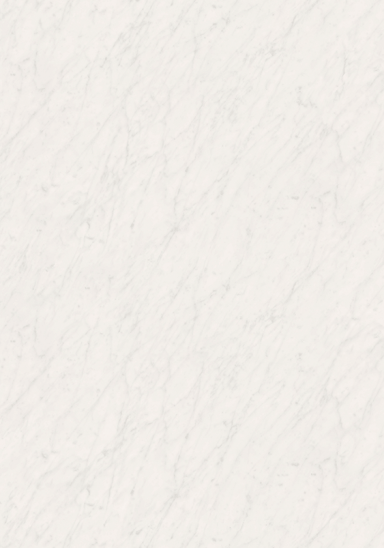
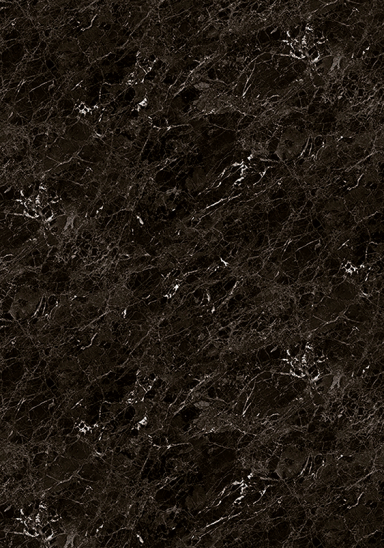
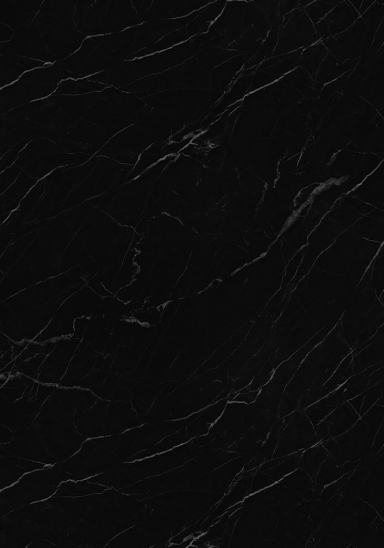
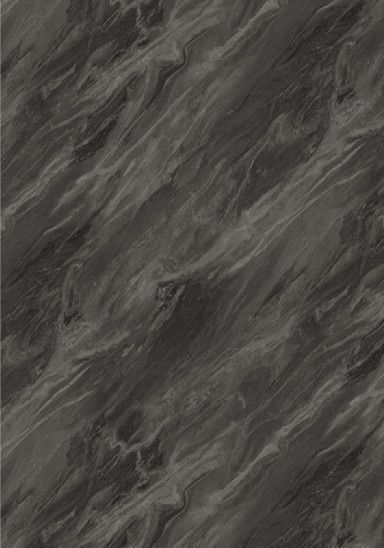
One attractive option for creating a stain-resistant tabletop is AICA ToughTop. This tabletop coating material is designed with a non-porous surface, so liquids and stains don't easily penetrate.
ToughTop's main advantage is its ease of maintenance. Stains from food, drinks, and everyday activities can generally be cleaned simply with a damp cloth and soap. The tabletop surface is clean again without the need for complicated maintenance.
In addition to being stain-resistant, ToughTop also offers various other advantages, including:
This combination of advantages makes ToughTop a practical solution for both residential and commercial areas requiring high-performance tabletops.
Before deciding on a material, consider the following:
By considering these factors, you can choose a material that is not only visually appealing but also functional in the long term.
Choosing a stain-resistant tabletop is an important investment to maintain a clean and durable appearance. Various materials, such as solid surface and quartz, offer their own advantages, but materials with non-porous surfaces offer greater ease of maintenance.

For a practical and durable tabletop, ToughTop from AICA is a worthy solution. With its non-porous, abrasion-resistant, impact-resistant, antibacterial, waterproof, high-heat resistant, and easy-to-install properties, this material helps keep tabletops clean and attractive even with daily use.
SHARE