LANGUAGE

In the furniture and interior design industries, small details often determine the final quality of a product. One crucial component that frequently goes unnoticed is edge banding. Despite its relatively small size, edge banding plays a significant role in enhancing the appearance, durability, and usability of furniture.

Edge banding serves as a covering for the cut edges of materials such as plywood, MDF, particle board, or HPL. Without it, these edges would appear rough, be prone to damage, and easily absorb moisture. Consequently, the application of edge banding is a vital step in the modern furniture finishing process.

What Is Edging?

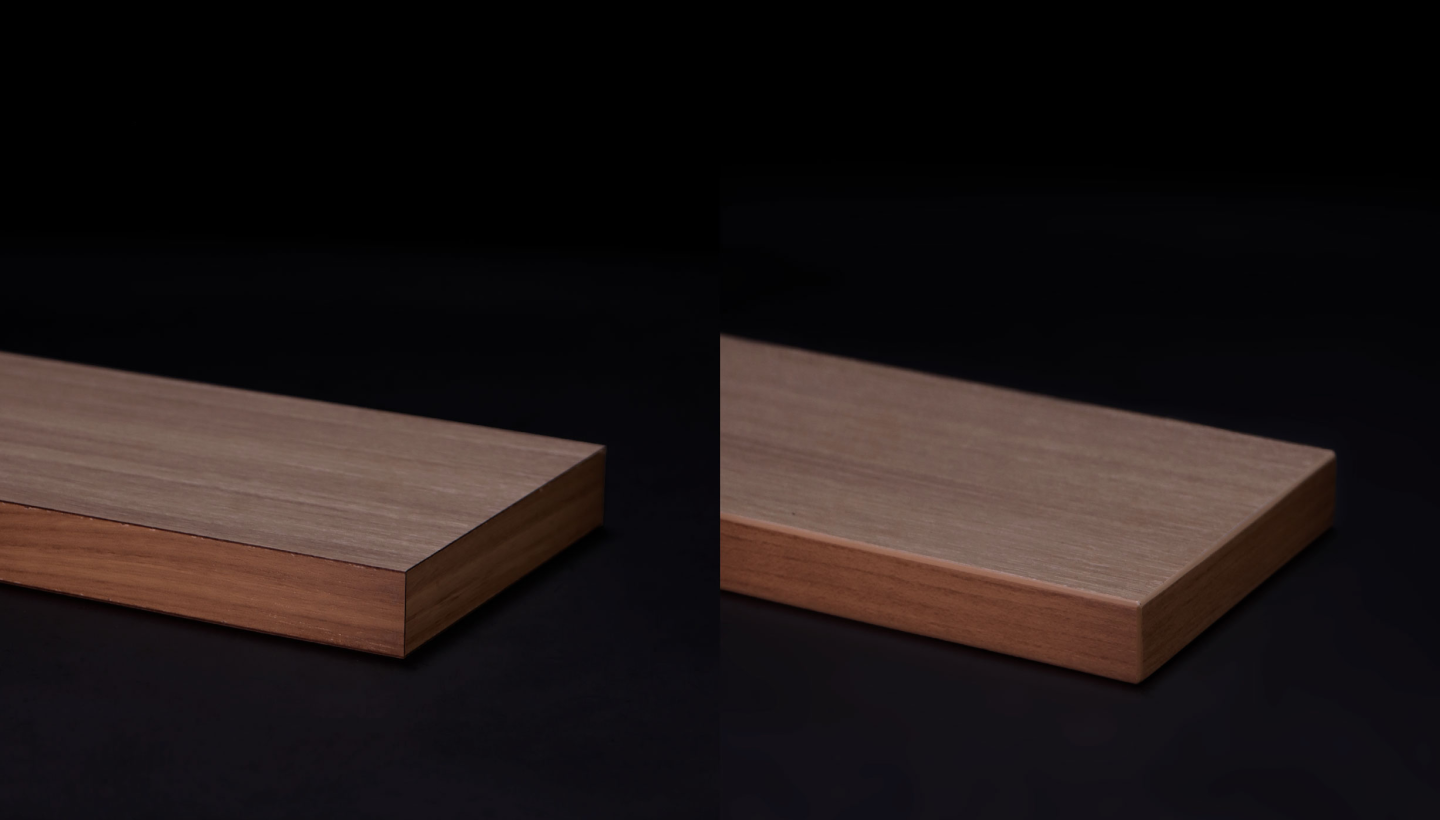
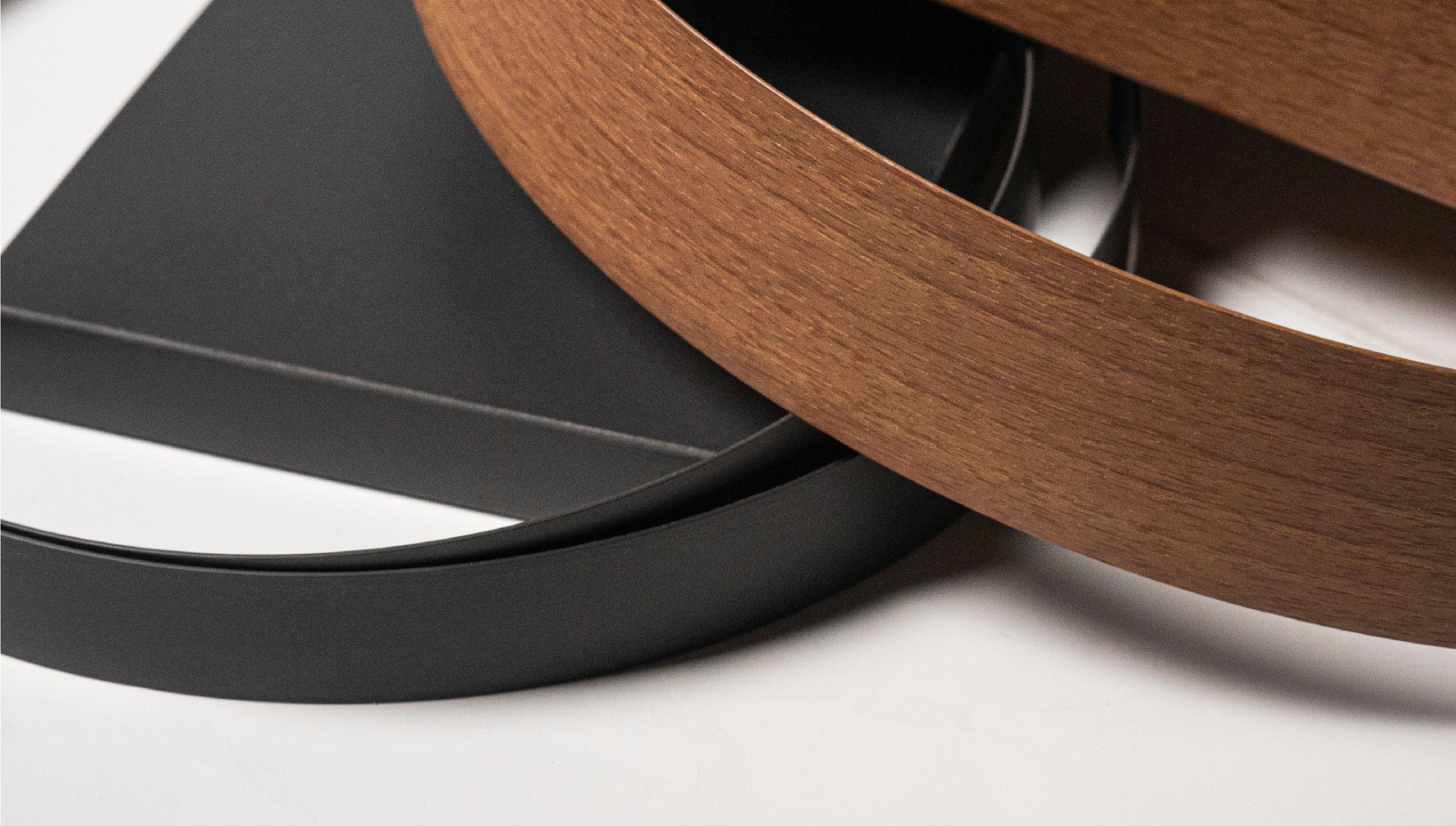
Edging is a finishing material applied to the edges of boards to provide a neat, professional look. Beyond its aesthetic role, edging protects the material's edges from impacts, scratches, dust, and water exposure—factors that can accelerate deterioration.

In the furniture industry, edging is widely used in applications such as:

•              Kitchen sets

•              Wardrobes

•              Work desks

•              Storage shelves

•              Office cabinets

•              Commercial furniture

•              Interior panels

Proper edging installation not only gives furniture a premium appearance but also extends its lifespan.

Key Functions of Edging

Here are the primary functions that make edging a crucial component of furniture production:

1. Protecting Material Edges

Board edges are the areas most vulnerable to impact and damage. Edging helps protect these areas, ensuring the material remains durable over the long term.

2. Providing a Neater Appearance

Without edging, the core layers of materials like MDF or particleboard remain exposed. Edging ensures all sides of the furniture look clean, precise, and professional.

3. Enhancing Aesthetics

Edging is now available in a wide range of colors, patterns, and textures that can be matched to the furniture surface. The result is a seamless look that elevates the product's visual appeal.

4. Reducing Moisture-Related Damage

Edging seals the pores on the board's edge, minimizing the risk of water or moisture penetrating the material. This is particularly important for furniture used in kitchens or high-humidity areas.

5. Improving User Safety

Sharp board edges can cause minor injuries upon contact. Edging softens furniture corners, making them safer and more comfortable to use.

Types of Edging

As furniture material technology evolves, edging is now available in various types, each with distinct characteristics.

PVC Edging

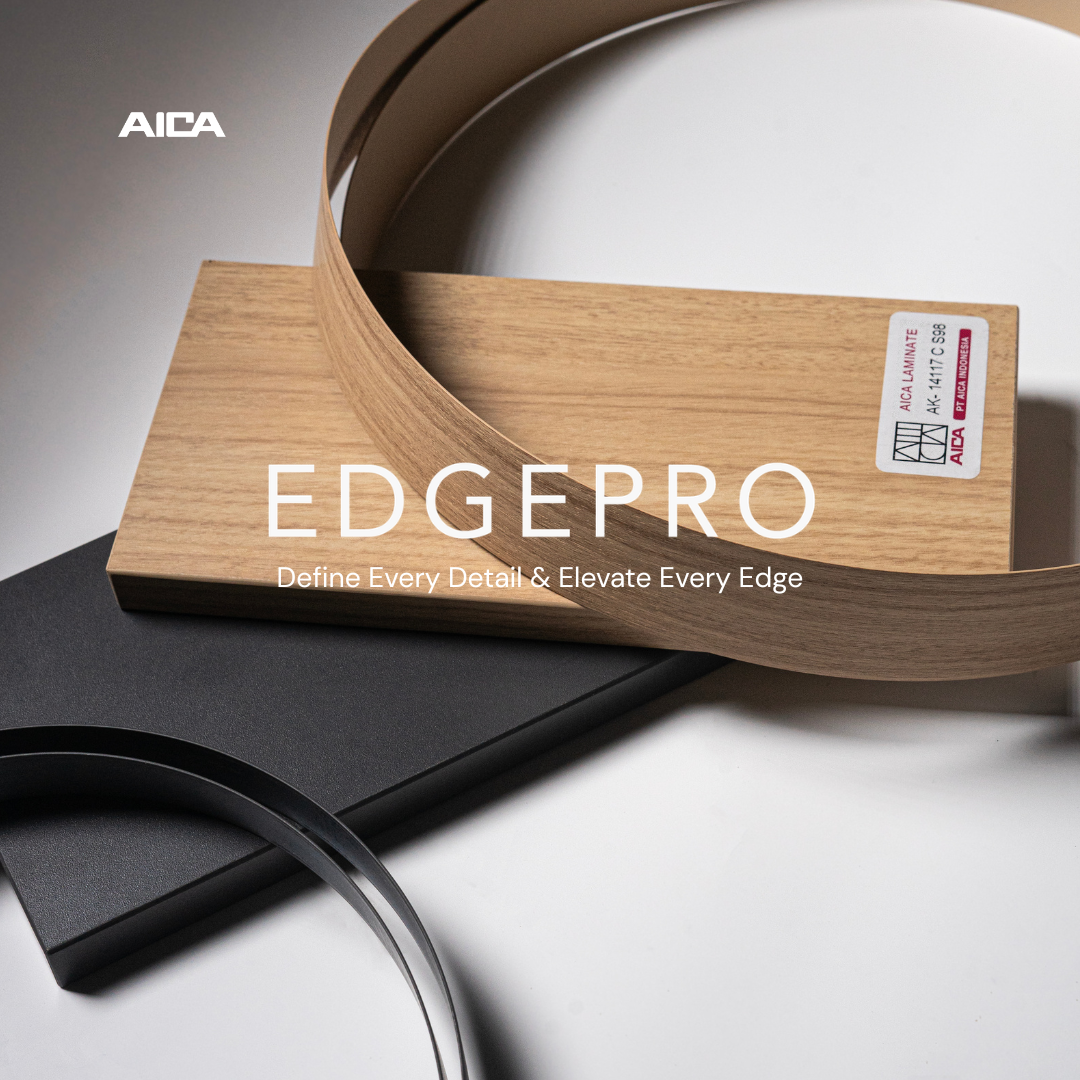
PVC edging is the most popular type used in the modern furniture industry. Made from Polyvinyl Chloride (PVC), this material is highly flexible, impact-resistant, and moisture-resistant, and comes in a wide variety of colors and textures. One widely used PVC edging product is EDGEPRO by AICA. EDGEPRO is designed to provide a neat finish with colors that harmonize with various HPL decorative options. In addition to offering good durability for daily use, EDGEPRO helps create a more premium and consistent look for furniture.

ABS Edging

ABS (Acrylonitrile Butadiene Styrene) is a high-quality edging alternative known for being more environmentally friendly, as it is chlorine-free. This material offers good impact resistance and stability against temperature fluctuations.

Veneer Edging

This type of edging utilizes a layer of natural wood, resulting in a highly authentic appearance. Veneer edging is commonly used on premium furniture that emphasizes natural wood aesthetics.

Melamine Edging

Melamine edging is widely used for furniture intended for mass production. It is relatively economical and available in a variety of patterns, although its durability is not as high as that of PVC or ABS.

Acrylic Edging

Acrylic edging offers an elegant, high-gloss finish. This material is frequently used on modern-style furniture, particularly kitchen cabinets, tables, and minimalist interiors.

Why Is Choosing the Right Edging Important?

Selecting the appropriate edging affects the overall quality of the furniture. Beyond color and design, it is crucial to choose the edging material based on factors such as impact resistance, moisture resistance, and the intensity of the furniture's usage.

For residential or commercial furniture subject to daily use, PVC edging is an excellent choice, offering a balance of durability, flexibility, and aesthetics. Products like EDGEPRO by AICA also make it easy to achieve a finish that matches HPL surfaces, resulting in a more professional appearance.

Conclusion

Despite its seemingly simple appearance, edging plays a crucial role in enhancing the quality of furniture finishing. From protecting material edges and improving visual appeal to extending the furniture's lifespan, edging is an integral component of modern interior production.

With a wide range of materials available—such as PVC, ABS, veneer, melamine, and acrylic—each type of edging offers distinct advantages tailored to specific application needs. If you prioritize both durability and a clean, polished finish, PVC edging products like AICA’s EDGEPRO offer an excellent solution for creating furniture that is robust, aesthetically pleasing, and of high value.

SHARE

YOU MIGHT ALSO LIKE