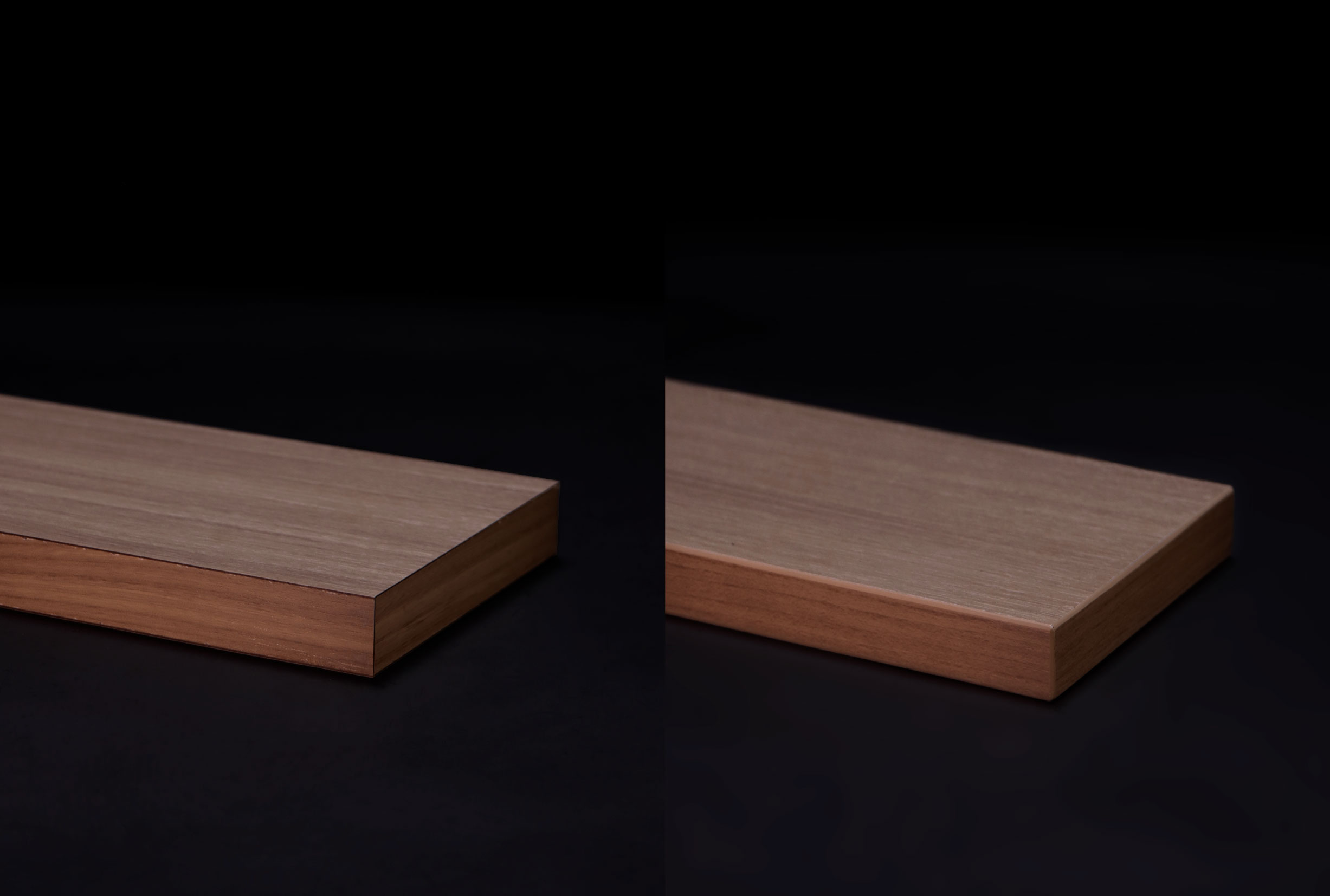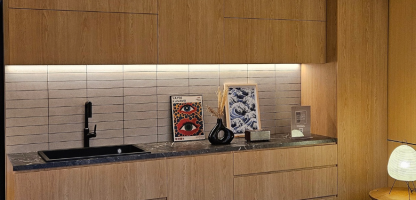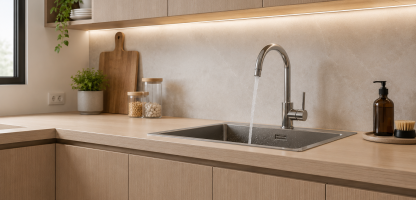


Furniture is not only about design and the main material. Small details such as edging also play an important role in determining the overall quality, durability, and appearance of furniture. Edging is a material used to cover the exposed edges of furniture panels, making them look neater while providing additional protection.
If you are making or choosing furniture, here are 5 reasons why furniture should use edging.

One of the main functions of edging is to cover the edges of panels, which can often look rough after the cutting process. With edging, these areas can have a smoother and more finished appearance.
Choosing an edging color and pattern that matches the panel surface can also make furniture look more premium and professional. This is why edging is an important part of furniture finishing.

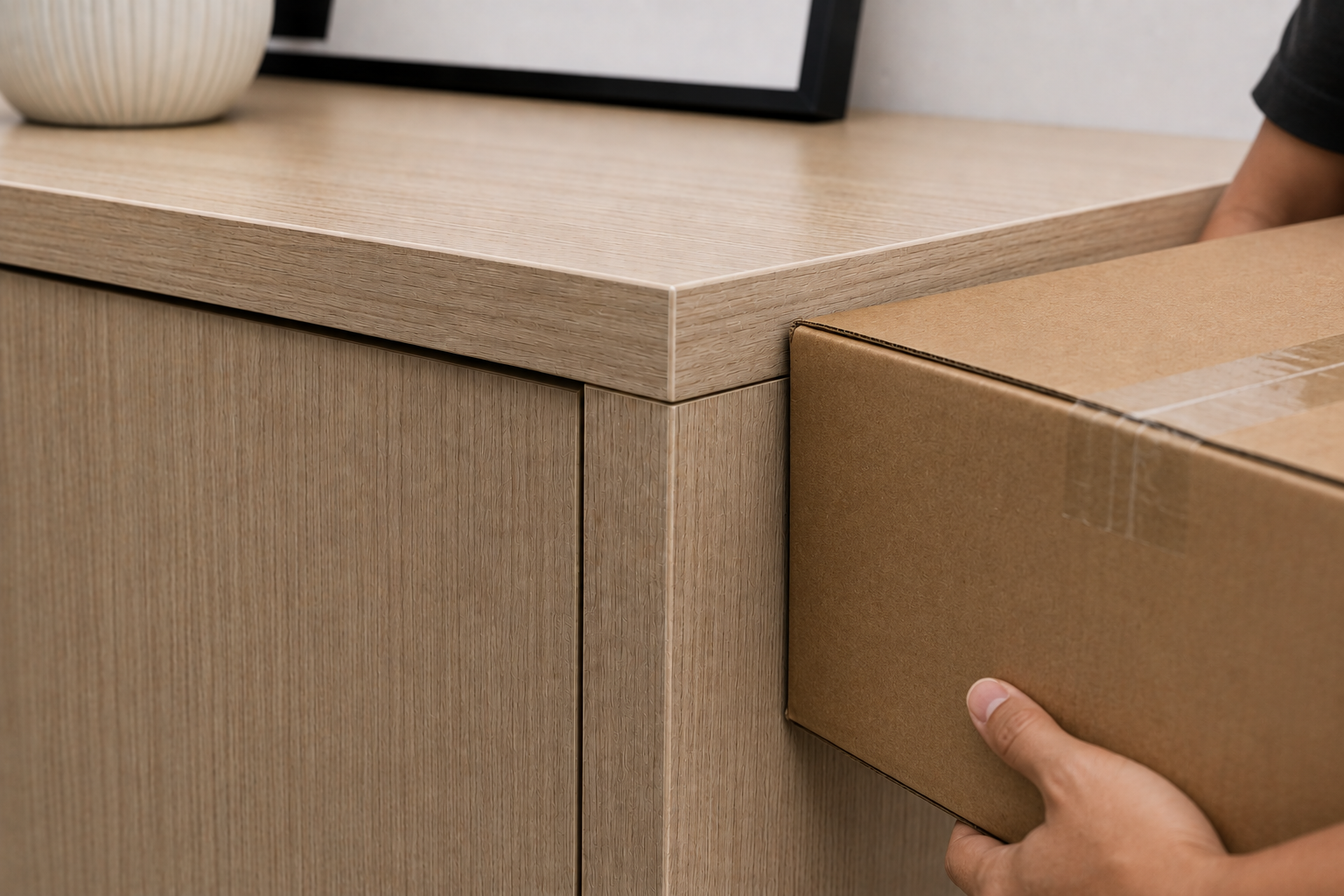
Furniture panel edges are particularly vulnerable to impacts, friction, and everyday use. Without proper protection, exposed edges can become chipped, damaged, or deteriorated more easily.
Edging provides an additional layer of protection around these areas, helping furniture withstand everyday activities and maintain its appearance for longer.

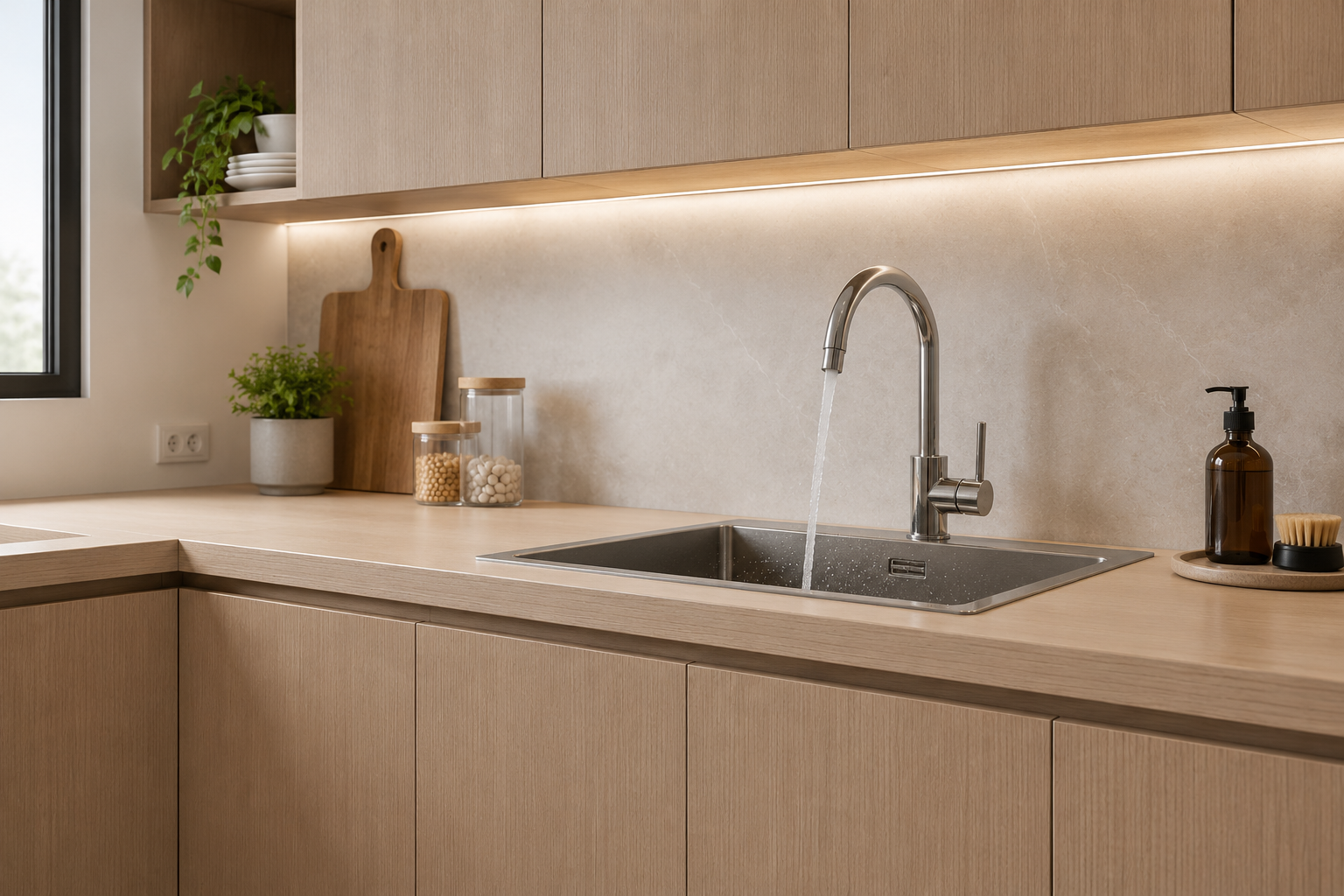
Exposed panel edges can become one of the entry points for moisture. Under certain conditions, moisture can affect the condition of the panel and potentially reduce its durability.
Edging helps cover these exposed areas, providing additional protection against moisture exposure. This can be especially beneficial for furniture used in areas with relatively high humidity.

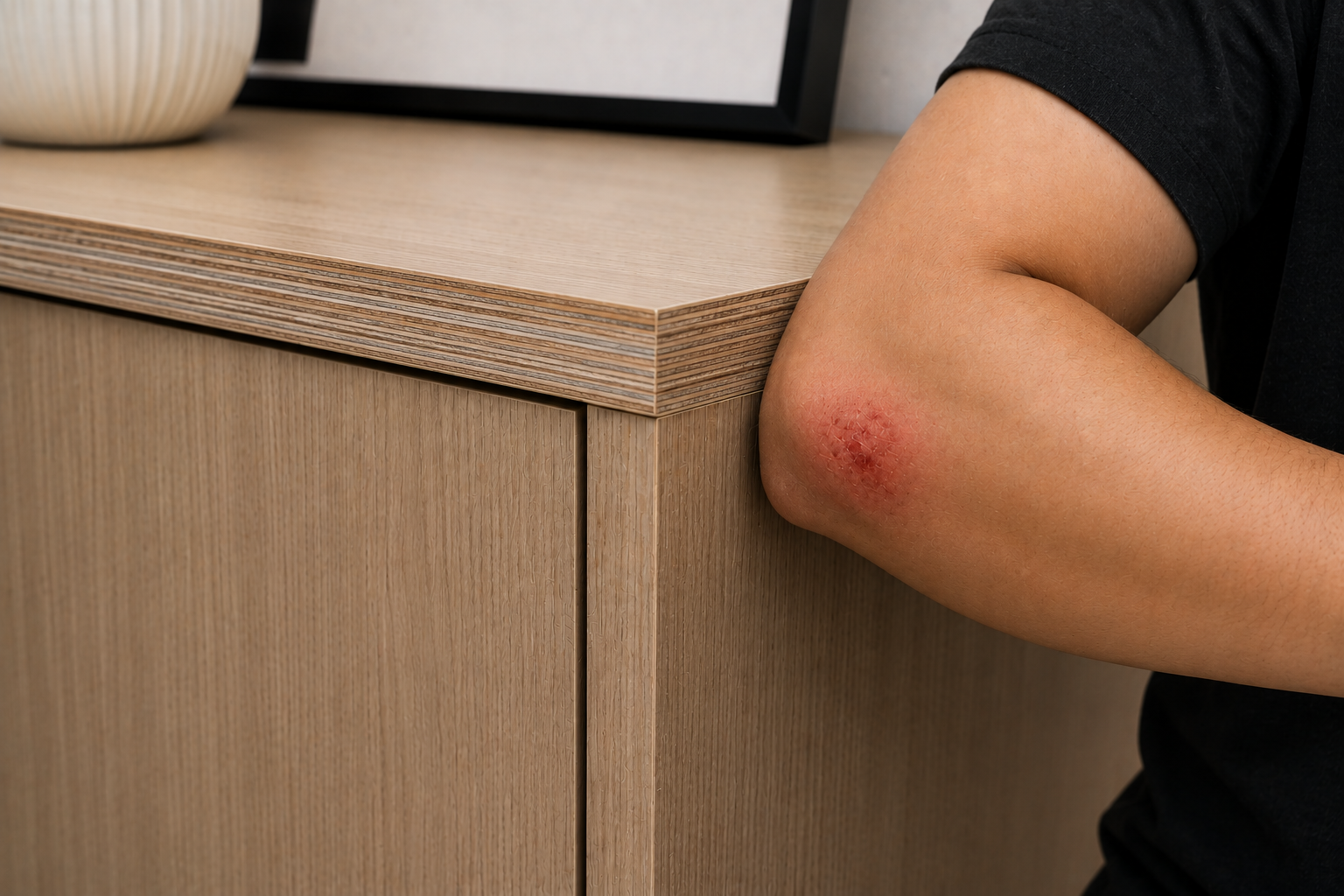
Sharp or rough panel edges can be uncomfortable to touch and may potentially cause scratches. With edging, furniture edges can be made smoother, providing a safer and more comfortable user experience.
Therefore, edging is not only about aesthetics but also contributes to the functionality and comfort of furniture.
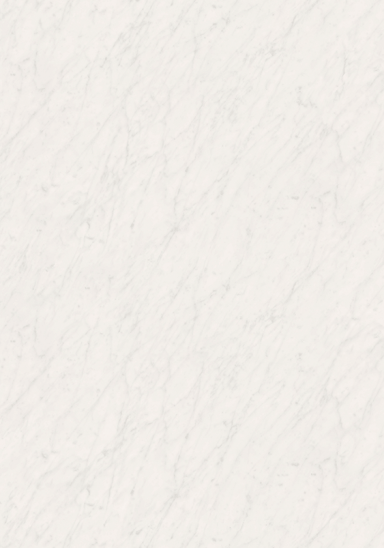
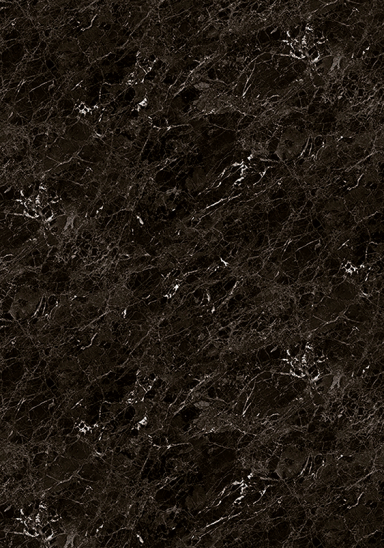
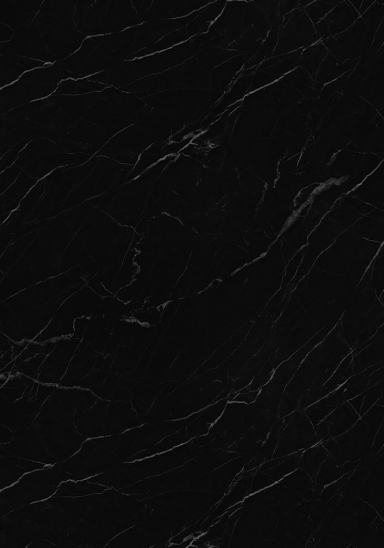
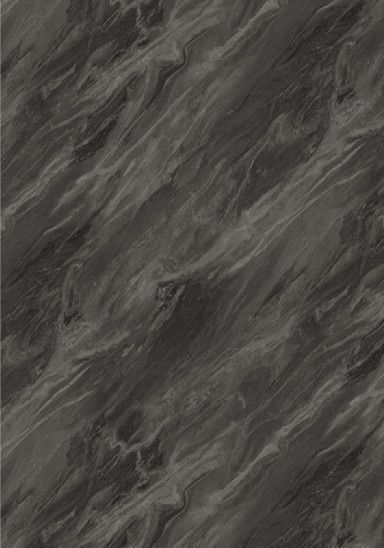
When using HPL for furniture, an attractive surface needs to be complemented by proper edge finishing. Edging with a matching pattern can create a more seamless transition between the HPL surface and the edge of the panel.
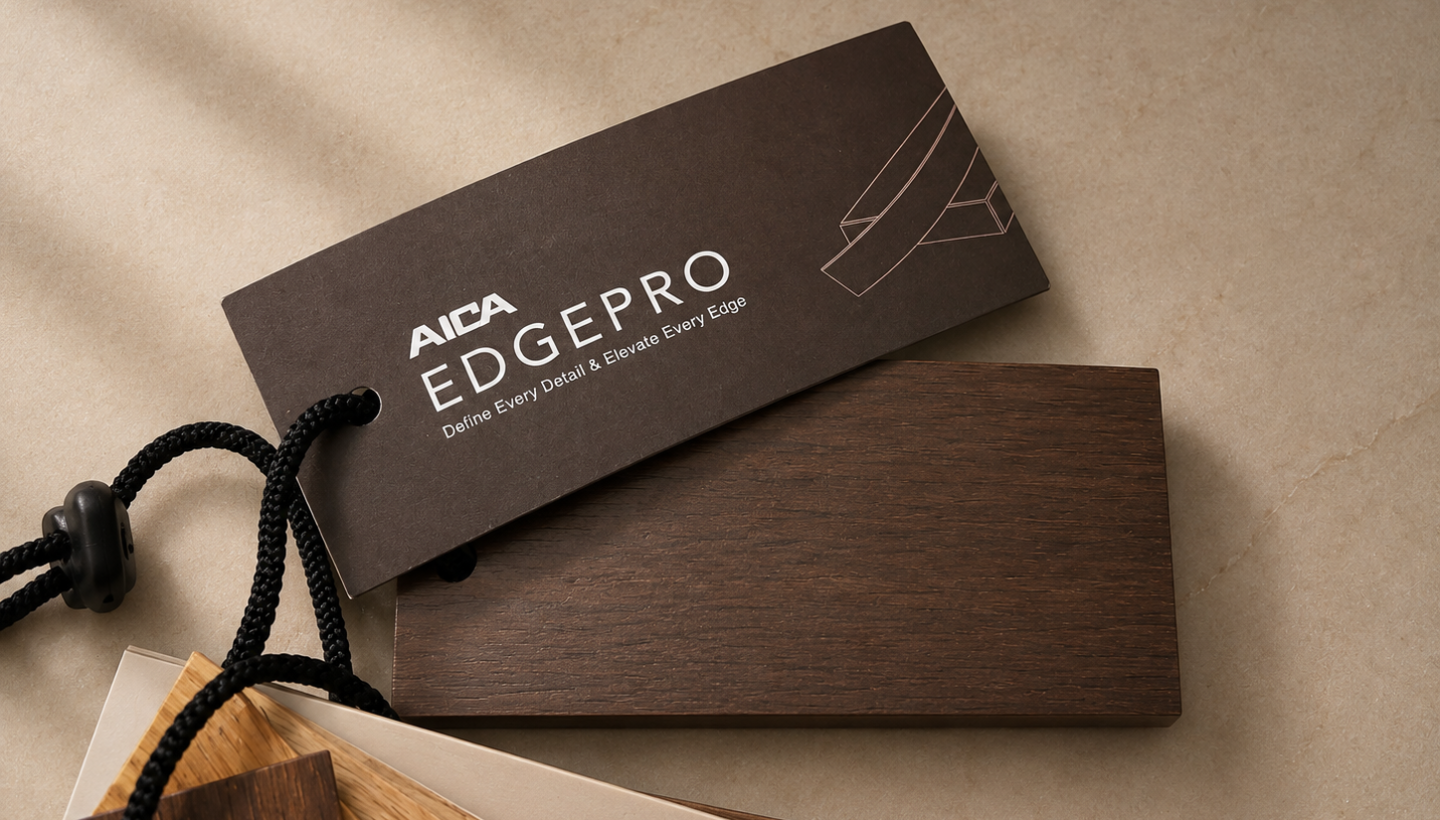
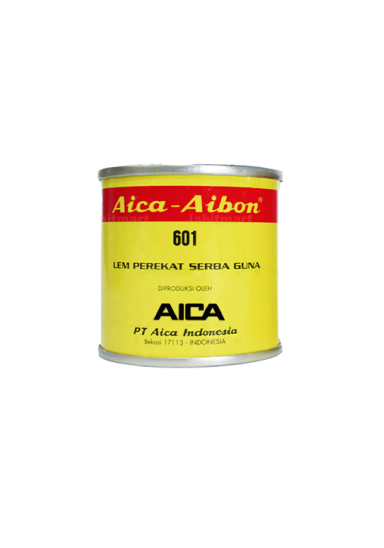
One option to consider is AICA EDGEPRO, an edging PVC product from AICA designed to complement AICA HPL. EDGEPRO is available in a variety of patterns that can be paired with AICA's HPL collections, helping create a more consistent and modern furniture appearance. By combining HPL with the right edging, furniture details can look more cohesive while achieving a more professional finish.
Although relatively small, edging plays an important role in furniture, from enhancing aesthetics and protecting panel edges to improving comfort during everyday use.
For this reason, choosing furniture edging should not be an afterthought. Consider the material, color, pattern, and quality of the edging based on your furniture's requirements and main surface material. With the right finishing solution, furniture can look more attractive while benefiting from better protection and a more refined overall appearance.
SHARE