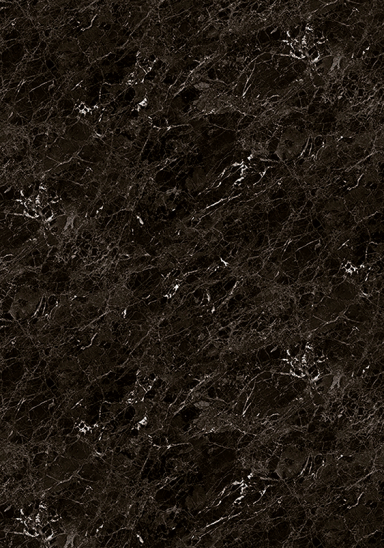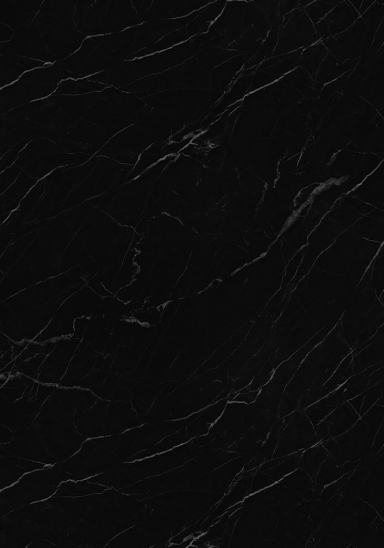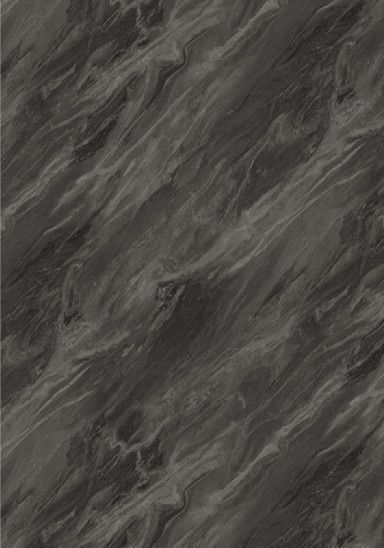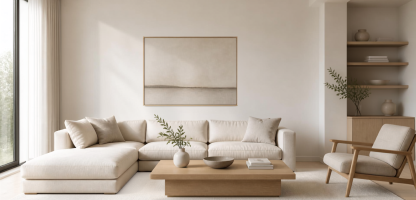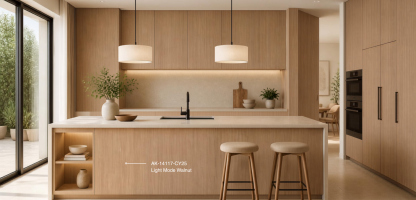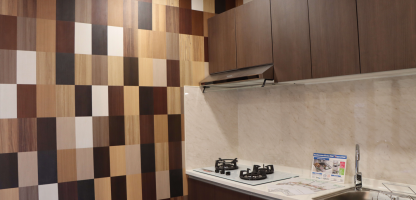


In the world of modern interior design, aesthetically pleasing, easy-care, and durable finishing materials are increasingly in demand. One material widely used in furniture and panels is anti-fingerprint HPL. This material is popular for its elegant appearance while minimizing the appearance of fingerprints on surfaces. However, before choosing it for your project, it's important to understand what anti-fingerprint HPL is and the limitations of its anti-fingerprint feature.
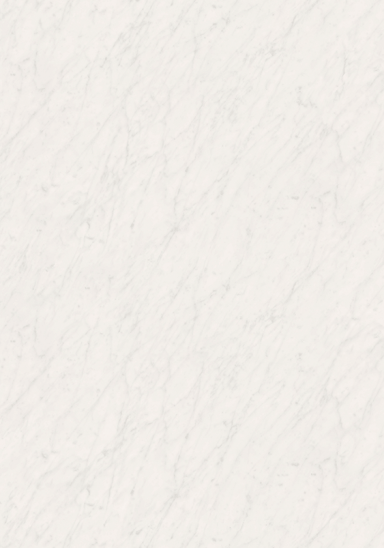
Anti-fingerprint HPL is a high-pressure laminate manufactured using special surface technology to reduce the appearance of fingerprints. This type of HPL typically has a special texture or coating formulated to reduce the reflection of natural oils from the skin, resulting in a cleaner, less dull-looking surface.
Anti-fingerprint HPL is widely used in high-touch areas such as kitchen cabinet doors, wall panels, work desks, cupboards, and front offices. Its advantages lie not only in its modern and elegant aesthetics, but also in its ability to maintain a neat appearance even with intense use.
The main advantage of anti-fingerprint HPL is its ability to minimize fingerprints on the surface. This keeps the panel looking clean longer than standard HPL.
Anti-fingerprint HPL tends to have a matte finish, is soft to the touch, and gives a premium feel. It is suitable for both minimalist and modern interior designs.
Because the surface is less easily visible, maintenance is very simple. Simply wipe with a soft cloth to remove dust or light stains.
Most anti-fingerprint HPL is designed with a stronger surface than regular HPL, making it more resistant to light scratches from everyday use.
With its easy maintenance and aesthetics, this material is ideal for high-touch areas such as kitchens, cabinets, and reception desks.
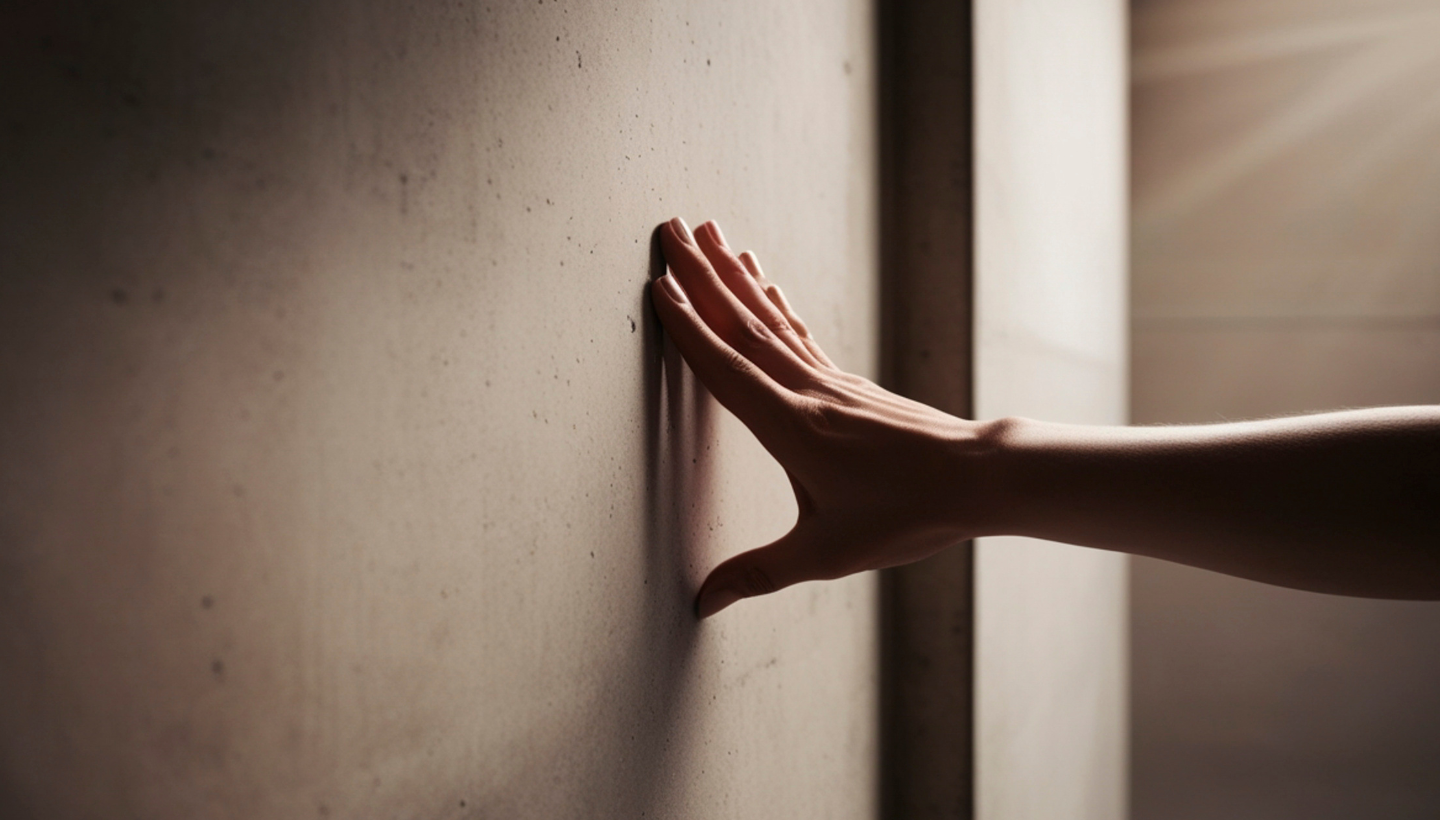
It's important to understand that the term "anti-fingerprint" does not mean 100% fingerprint-free. Anti-fingerprint technology reduces the likelihood of fingerprints appearing, not eliminating them completely. This means that during normal use, fingerprints may still appear, but they are much less noticeable than with regular HPL.
Furthermore, the anti-fingerprint feature will not work optimally if the surface is touched with oily or wet hands. Excess oil or water can adhere to the surface and remain visible, requiring light cleaning. With proper care and daily use, anti-fingerprint HPL still provides significant visual benefits.
Anti-fingerprint HPL is a modern finishing solution that offers a clean, elegant, and easy-to-maintain appearance. While it doesn't guarantee 100% fingerprint-free protection, this material can significantly reduce the appearance of fingerprint smudges, making it an ideal choice for frequently touched furniture and panels. By understanding its advantages and limitations, you can choose the most appropriate material for your interior design needs.
SHARE